
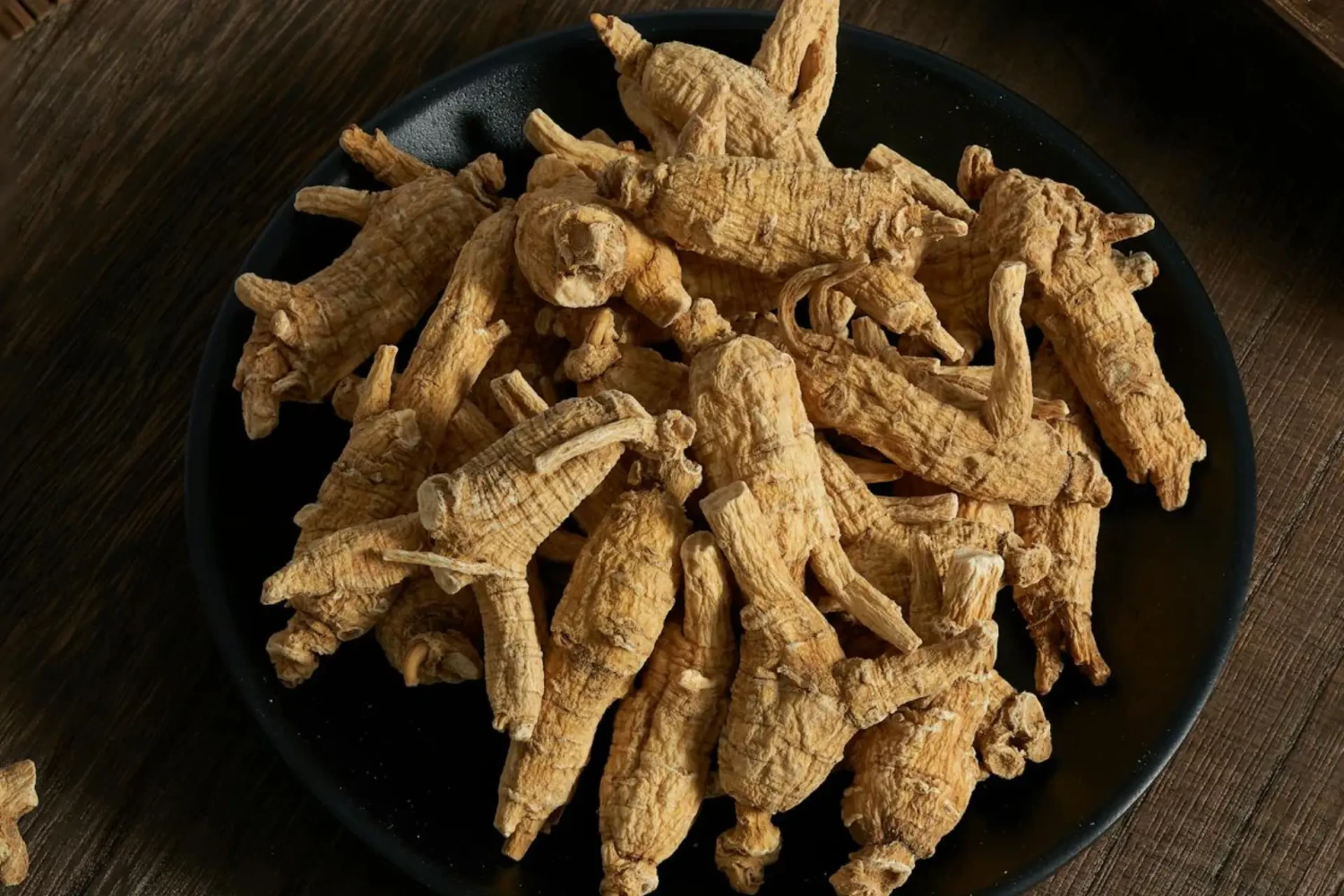
With the arrival of the cold season, our bodies need extra support to maintain vitality and balance. Among the most valued natural remedies for centuries, ginseng stands out as a precious ally, combining ancient tradition with modern wellness needs.
Ginseng in Traditional Chinese Medicine
In Traditional Chinese Medicine (TCM), ginseng—known as Ren Shen (人参)—is considered a fundamental tonic for:
- Strengthening Qi, the body’s vital energy;
- Supporting the immune system, helping the body cope with stress and external agents;
- Improving concentration and resilience, essential qualities during periods of fatigue;
- Warming and nourishing the body, properties particularly valuable in the winter months.
Traditionally used to restore energy after illness or exhaustion, ginseng bridges ancient wisdom and contemporary well-being.
Ginseng in the Kitchen: Asian Winter Recipes
Beyond its use as a supplement, ginseng is a key ingredient in many Asian dishes designed to support the body during colder months:
China: Hot Ginseng and Honey Tea A simple yet powerful drink: sliced ginseng root infused with honey and Chinese dates (jujube). Ideal for enhancing Qi and providing internal warmth.
South Korea: Samgyetang (Ginseng Chicken Soup) A signature Korean dish featuring chicken stuffed with glutinous rice, fresh ginseng, garlic, and jujube. Traditionally consumed in both summer and winter to restore energy and boost natural defenses.
Ginseng and Modernity: A Balance Between Nature and Science
Today, ginseng continues to be studied for its adaptogenic properties, which help the body respond to physical and mental stress. Its versatility makes it suitable for various forms of consumption, from supplements to culinary preparations, offering tangible support for daily well-being.
Want to learn more? Discover how to integrate ginseng into your routine or request a personalized consultation for tailored solutions.